
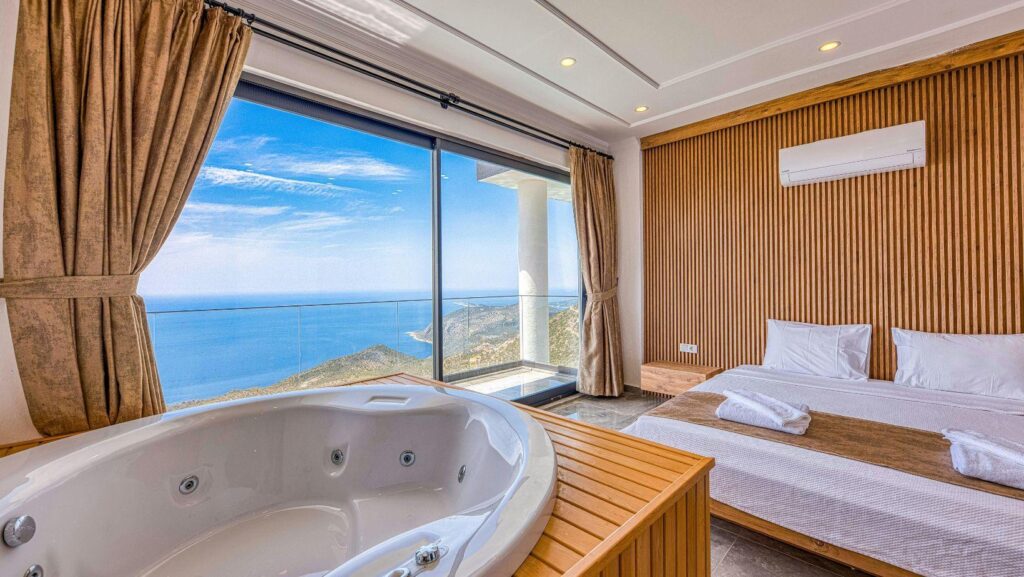
Choosing windows and doors for a hotel is different from choosing them for a private home. A hotel may have hundreds of openings, operate around the clock and need to balance guest comfort with maintenance, energy use, appearance and long-term operating costs.
Wood and aluminum can both produce high-quality hotel windows and doors, but they serve different architectural priorities.
Wood brings natural warmth and works particularly well in boutique hotels, heritage properties and resorts where traditional character is part of the guest experience. Aluminum offers structural strength, slim profiles, low routine maintenance and greater flexibility for large glazed openings.
For most contemporary hospitality projects, aluminum is particularly attractive when durability, large glass areas, consistent finishes and lower maintenance are priorities. That makes Aluminum Windows And Doors a practical choice for modern hotels, resorts and large renovation projects.
Hotel Windows Have to Do More Than Look Good
A hotel window is part of both the guest room and the building envelope.
It needs to complement the architecture while helping control outside noise, weather, heat transfer and air leakage. In many projects, it must also meet specific structural and safety requirements.
Multiply those demands across 100, 300 or 500 guest rooms, and small differences in product design can become significant.
This is why hotel owners and developers should evaluate complete window systems rather than choose a frame material based on appearance alone.
Glass specification, seals, hardware, drainage, installation and tested performance are just as important as whether the frame is aluminum or wood.
Aluminum Has an Advantage for Large Hotel Openings
Modern hotels increasingly use glass as an architectural feature.
Guest rooms may have floor-to-ceiling windows. Restaurants and lounges may open onto terraces through large sliding doors. Lobbies can feature tall glazed walls overlooking gardens, pools or city skylines.
These applications place substantial loads on window and door frames.
Aluminum has a high strength-to-weight ratio, allowing appropriately engineered profiles to support large glazing while maintaining relatively slim sightlines. This makes aluminum hotel windows especially useful for contemporary façades where architects want more glass without visually heavy frames.
Wood can also be engineered for large openings, but frame dimensions and structural capabilities depend on the timber species and system design.
As glazing becomes larger and architectural lines become more minimal, aluminum generally gives designers greater flexibility.
Slim Aluminum Frames Suit Modern Hotel Architecture
Hotels compete partly through experience, and architecture plays a role in creating that experience.
A guest entering a room with a wide view of the sea, mountains or city does not want the frame to dominate the window.
Slim aluminum profiles can reduce visual interruption and increase the proportion of visible glass within an opening. This is particularly valuable for luxury hotels, urban high-rises and resorts built around panoramic views.
Aluminum also works well with contemporary façade materials such as glass, stone, concrete and metal cladding.
Powder-coated finishes can be specified in black, grey, bronze, white and many other architectural colors, allowing the windows and doors to become part of a consistent exterior design.
Wood provides a warmer aesthetic, but aluminum is usually easier to integrate into minimalist hotel architecture.
Maintenance Matters More in a Hotel
Maintenance is one of the biggest practical differences between aluminum and wood.
A homeowner may have 20 windows to maintain. A hotel operator may have hundreds.
Exterior timber needs protection from moisture, sunlight and changing weather conditions. Depending on the wood species, coating and environment, periodic inspection and refinishing may be required.
For a large hotel, even relatively minor maintenance repeated across hundreds of windows can become a meaningful operational issue.
Aluminum does not rot and is not susceptible to termites. Quality architectural frames are generally powder coated or anodized and require routine cleaning rather than the periodic staining or painting associated with many timber products.
Aluminum windows still require maintenance. Tracks and drainage paths should be kept clean, and hardware and weather seals need inspection.
But where reducing routine frame maintenance is important, aluminum has a clear practical advantage.
Coastal Hotels and Resorts Need Careful Material Selection
Hotels near the coast face additional challenges.
Salt, humidity, strong winds and wind-driven rain can create a demanding environment for windows, doors and hardware.
Wood can perform well when the correct species, protective system and maintenance program are used. However, exposure management becomes especially important.
Aluminum is often selected for coastal hospitality projects because it does not absorb moisture or rot. The specification still matters: suitable surface treatment, corrosion-resistant hardware, appropriate glazing and regular cleaning are essential in salt-laden environments.
For beachfront resorts and coastal hotels, the best solution is not simply “use aluminum.” It is to specify an aluminum system designed for the actual environmental exposure and local performance requirements.
Aluminum Works Well for Hotel Sliding Doors
Hotel windows are only part of the project.
Resorts and luxury properties often need large glazed doors for suites, restaurants, balconies, pool areas and other shared spaces.
Aluminum is particularly suitable for hotel sliding glass doors because its structural strength allows manufacturers to combine relatively narrow frames with substantial glazed panels.
A suite facing the ocean, for example, can use a large sliding door to preserve the view while providing access to a balcony or terrace.
Similarly, hotel restaurants and lounges can use sliding or folding systems to create a stronger connection between indoor and outdoor hospitality areas.
This ability to coordinate windows and large doors within one architectural language is a major advantage of an Aluminum Hotel Windows And Doors package.
Energy Performance Depends on the Complete System
One traditional advantage of wood is its naturally low thermal conductivity. Aluminum conducts heat much more readily, so basic aluminum frames without thermal separation can be inefficient in demanding climates.
Modern aluminum window systems address this through thermal breaks.
A thermal-break aluminum window separates the inside and outside aluminum sections with an insulating material, reducing heat transfer through the frame.
The glazing is equally important.
Insulated glass units, Low-E coatings, suitable spacers and effective seals can all contribute to thermal performance. In a hotel with hundreds of guest rooms, selecting the appropriate combination can be important for both guest comfort and building energy use.
Rather than comparing wood and aluminum as raw materials, hotel developers should compare tested performance values for complete window assemblies.
Acoustic Comfort Is About More Than Frame Material
Noise can have a direct effect on the guest experience, particularly in city hotels, airport hotels and properties near busy roads.
It is tempting to assume that one frame material is automatically quieter than another, but acoustic performance depends on the complete assembly.
Glass thickness, laminated acoustic glass, insulated glass configuration, air space, frame construction, seals and installation quality all affect how much external sound enters a room.
An aluminum frame can therefore be combined with appropriate acoustic glazing and sealing systems where noise reduction is a project priority.
For hotel buyers, asking for tested acoustic performance is more useful than choosing a material based on general claims about sound insulation.
Aluminum Makes Standardization Easier Across Large Projects
Large hotel developments often require several window and door types.
Guest rooms may use fixed and operable windows. Suites may have balcony doors. Restaurants may require sliding systems. Public spaces can include oversized fixed glazing, while service areas need simpler openings.
Custom aluminum systems can accommodate these different configurations while maintaining consistent colors and sightlines across the property.
This is particularly useful for developers, architects and contractors managing custom hotel window and door projects.
A coordinated specification can simplify visual consistency while allowing different glazing, hardware and opening types to be selected according to each area of the building.
Where Does Wood Still Make More Sense?
Wood remains an excellent material when natural character is central to the hotel’s identity.
A mountain lodge, historic hotel, country retreat or boutique property may benefit from the warmth and craftsmanship of timber windows. In these settings, visible wood can contribute directly to the guest experience.
The additional maintenance may be an acceptable trade-off for the architectural result.
Aluminum makes more sense when the priorities shift toward large glazing, modern aesthetics, standardized finishes and lower routine maintenance.
This distinction is more useful than claiming one material is best for every hotel.
Which Is Better for a Modern Hotel?
For most contemporary hotel projects, aluminum offers a particularly strong combination of structural and practical advantages.
It can support large glazed openings with relatively slim profiles, accommodate a wide range of window and door configurations, and provide durable finishes that require less routine frame maintenance than natural timber.
Wood remains compelling for hotels where warmth, tradition and natural materials define the architecture.
The final decision should consider much more than frame material. Climate, wind loads, building height, glass specification, thermal performance, acoustic requirements, hardware, maintenance expectations and local building codes all matter.
For modern hotels, resorts and hospitality developments where large glass areas, slim sightlines, durability and consistent design are priorities, a properly specified Aluminum Hotel Windows And Doors system is often the more practical long-term choice.
The best hotel window is ultimately not the one made from the most fashionable material. It is the system that meets the architectural requirements, performs reliably in its environment and continues doing its job with manageable maintenance throughout the life of the property.