
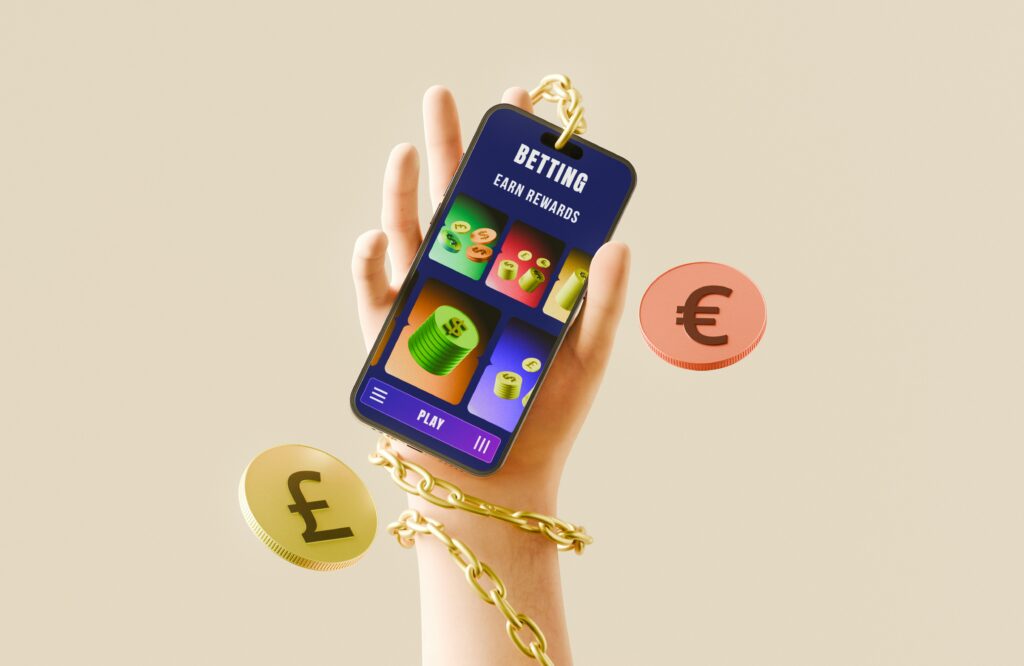
Sports viewing has evolved into a real-time, interactive experience for fans in the United States and other markets. During live games, audiences increasingly use mobile devices alongside television broadcasts to follow key moments, track updates, and respond to developments as they happen.
This shift has transformed how fans engage with sporting events, with attention and decision-making closely tied to each play. In-game betting has emerged as a major driver of this change, moving from a niche feature to a central part of modern sports engagement across various leagues and competitions.
Why In-Game Betting Is Dominating the Sports Betting Market
The rise of live wagering isn’t accidental. This reflects a broader shift in how fans consume entertainment, with experiences becoming faster, more responsive, and more closely tied to real-time events. What was once a niche feature has quickly evolved into a core part of modern sports engagement.
Pre-game betting once defined the sportsbook experience, but that structure is steadily fading. Live markets now account for a majority share of activity in mature betting regions, driven by constant updates and shifting odds that track the flow of the game itself.
Engagement is a key driver behind this shift. Fans are more likely to stay tuned through all four quarters or nine innings when every moment carries significance. Even one play can shift momentum, creating a feedback loop where watching and engagement reinforce each other.
Inside the Technology That Keeps Live Odds Moving
Live betting feels instant, but behind the scenes it runs on algorithms, data pipelines, and fast computation. Every shift in momentum triggers pricing changes to keep odds aligned.
AI Systems That Recalculate Odds in Real Time
Modern sportsbooks rely heavily on machine learning models that process live game data as it arrives. Each pass, shot, or pitch feeds into algorithms that instantly reassess probabilities.
Odds aren’t static numbers anymore. They evolve continuously, adjusting after every meaningful event on the field. This constant recalibration is what makes live betting feel dynamic and responsive.
The Role of Official Data Pipelines and Tracking
Behind every updated line is a steady stream of verified data coming directly from leagues and official providers. These feeds include not just scores, but granular details such as player movement, possession changes, and in-game events.
This infrastructure ensures consistency across platforms. It also reduces delays that could otherwise create mismatches between game action and what users see on screen.
How Speed Protects Market Integrity
Speed isn’t just about user experience, it’s about fairness. Ultra-fast updates help prevent exploitation like courtsiding, where individuals act on information before it becomes available.
By minimizing latency, sportsbooks help ensure that all users are operating from the same real-time conditions. This alignment is essential for maintaining trust in live markets, especially as betting volumes continue to grow.
Micro-Betting and the Game Within the Game
Some of the biggest changes in sports engagement are happening in the smallest moments. Micro-betting has reshaped how fans engage with live sports by breaking games into rapid, individual outcomes that unfold in real time.
Instead of focusing only on final results, fans now engage with the next pitch, the next drive, or the next possession. A basketball free throw or a single football snap becomes its own narrative. Each moment now carries its own sense of importance.
This shift creates a rhythm of anticipation that never fully pauses. Every stoppage becomes a new engagement opportunity, keeping attention locked in during breaks. Many fans are drawn to a faster cycle of interaction, where entertainment unfolds second by second.
The Role of Smartphones in the Live Betting Boom
The explosion of in-game betting wouldn’t exist without mobile technology. Smartphones are the main gateway to sports engagement, placing entire betting ecosystems in fans’ pockets. Modern apps allow users to place wagers within seconds, often using a single tap or biometric confirmation. This speed matters, as live odds can change instantly and mobile interfaces are built to keep pace with those shifts during live games.
Fans often watch games while simultaneously tracking stats, odds, and social media reactions. This second-screen behavior has become the norm, blending viewing and interaction into a single experience that runs alongside the broadcast.
As sports consumption shifts toward mobile-first environments, fans increasingly engage with live markets through platforms built for real-time wagering, including in-game betting that updates with the action. The experience is no longer passive, shaped by every possession.
From Broadcast Delay to Instant Data
Not long ago, watching sports meant accepting a delay between real action and what appeared on screen. That gap has now been dramatically reduced, reshaping how live engagement functions. Real-time coverage has become the new expectation for fans.
Ultra-low latency streaming has reduced broadcast delays to near real time, allowing fans to see plays unfold almost instantly rather than waiting several seconds. This tighter synchronization has changed expectations for how live sports are experienced.
This speed is powered by advanced data infrastructure. Official league feeds deliver continuous game data, keeping odds aligned with live action. FanDuel Research adds context through insights and projections. Together, they reflect every moment across screens and markets.
How Live Betting Is Changing the Sports Viewing Experience
Sports have always been personal, but live betting heightens that connection. Every play carries weight, even when the scoreboard suggests a clear outcome. It changes how fans interpret momentum throughout a game in real time.
Fans now remain engaged deeper into games that might once have felt decided early. A late turnover, a single possession, or a scoring run can shift momentum and reshape the experience in real time. Small moments can shift the overall narrative quickly.
Viewing habits have become more fragmented and interactive. Fans switch between broadcasts, stats, and live odds while discussing outcomes on social platforms. Fast feedback loops and interactive engagement match how many consume modern entertainment.
The Future of Sports Is Always-On and Interactive
The trajectory of in-game betting points toward a future where sports are continuously interactive, not just watched but experienced. Technology, data, and fan behavior converge into one ecosystem where every moment matters. What once felt fixed now feels fluid.
A 60-minute or nine-inning game now feels like a sequence of decisions and micro-moments, blurring the line between viewer and participant. As innovation accelerates, sports become more responsive and personalized, shifting from watching to engaging in real time.